
 (2).jpg)
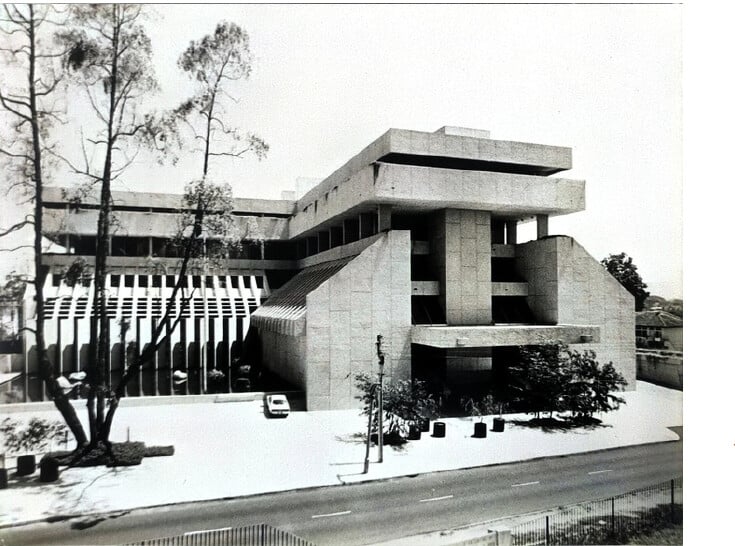
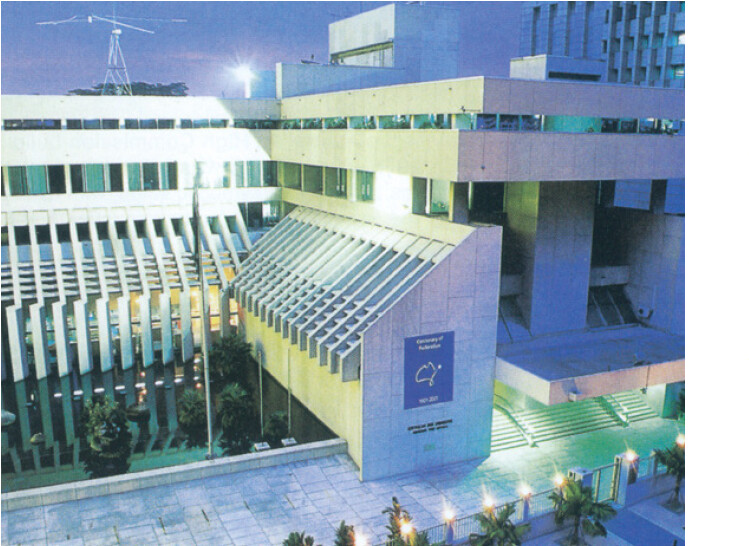
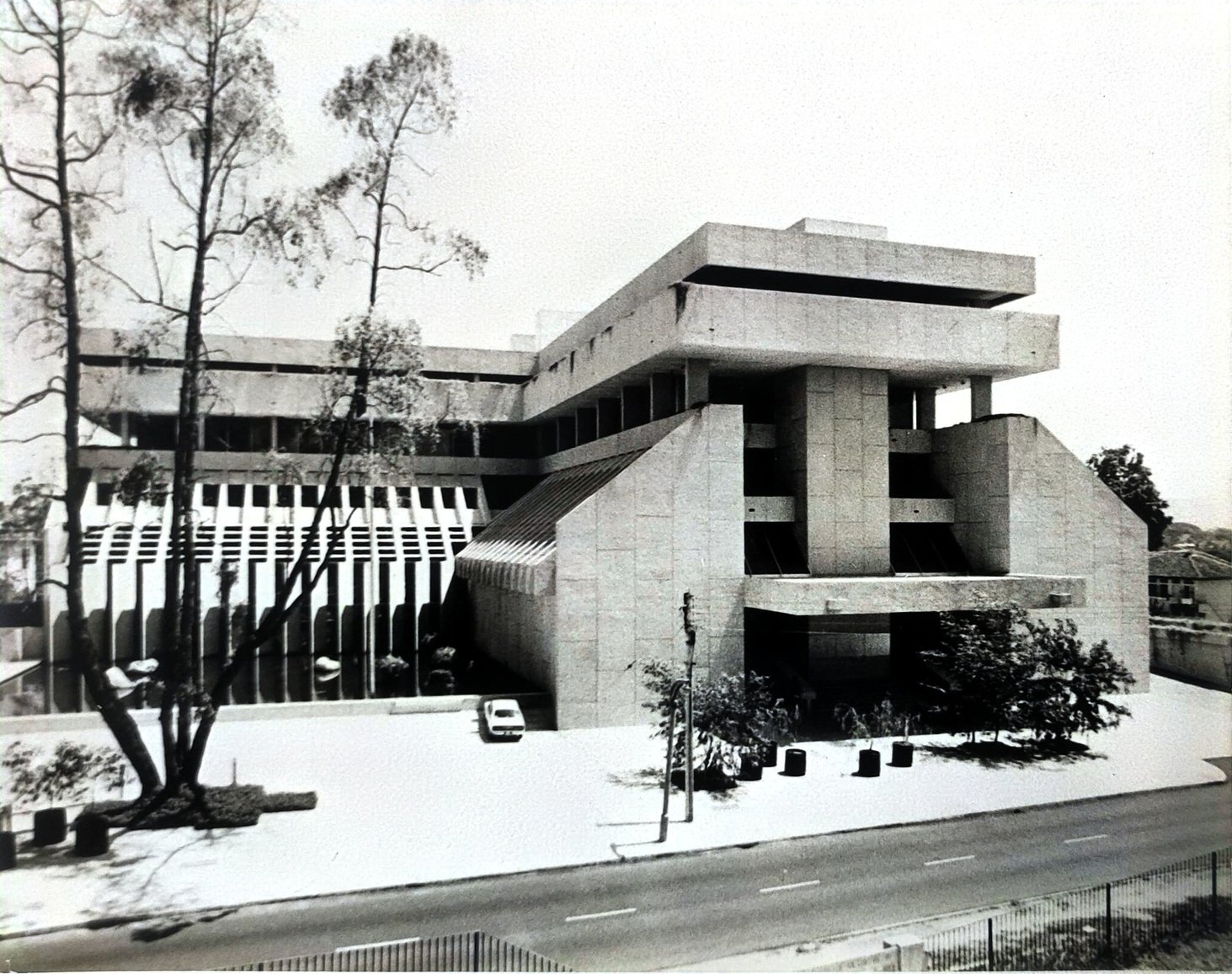
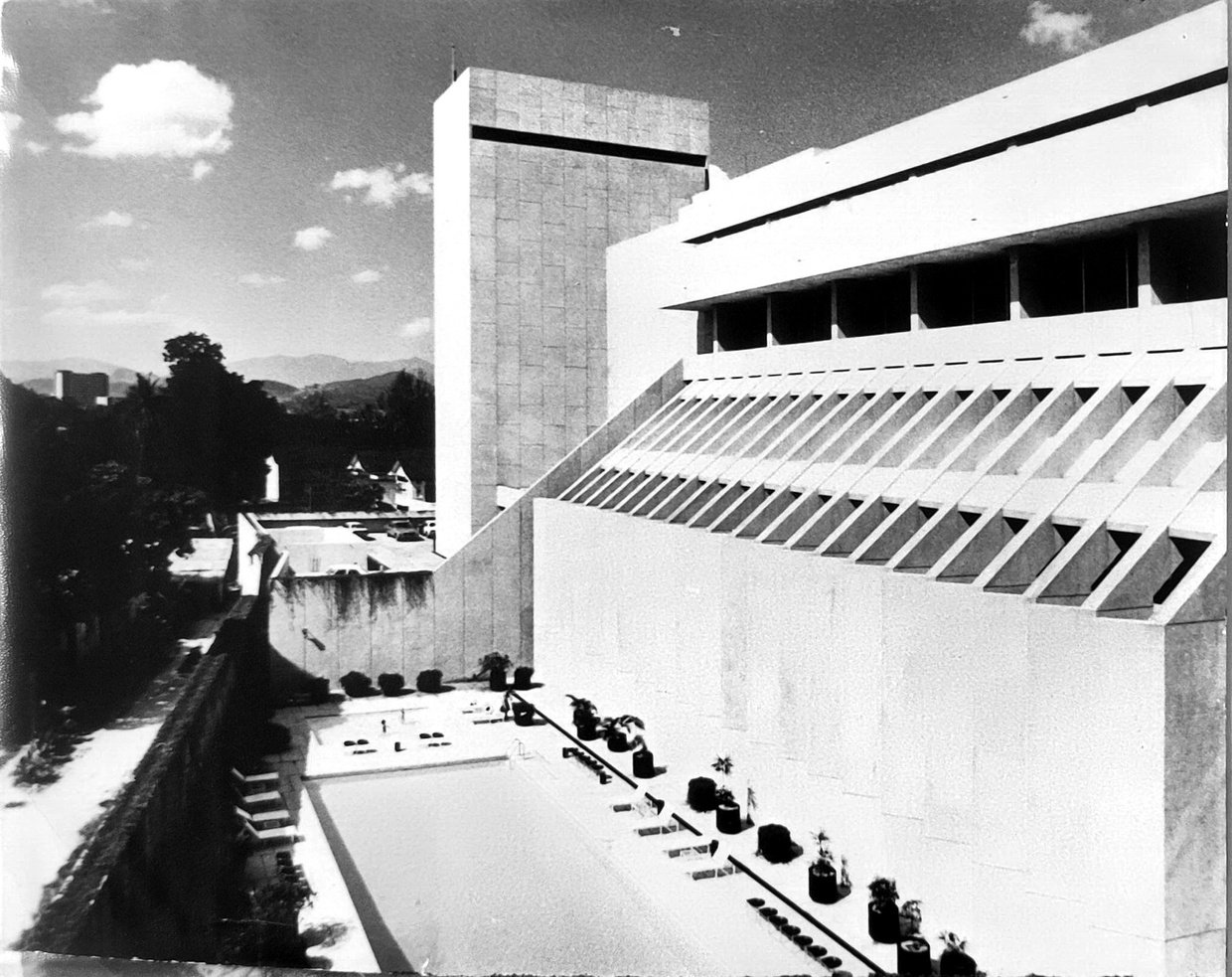
The Australian High Commission building on Jalan Yap Kwan Seng, Kuala Lumpur was officially opened for business on 12 June 1978. Prior to this, the High Commission was located in the Great Eastern building on Jalan Ampang.
Building History
1973
|
|
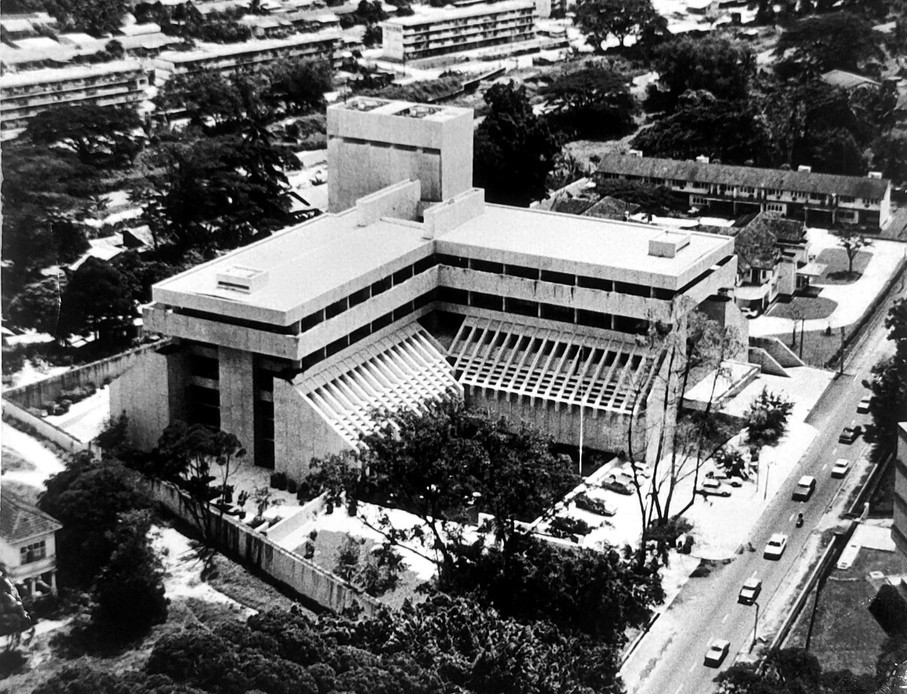
Australian architects Bernard Joyce and William Nankivell of Joyce Nankivell Associates were commissioned to design the building with Malaysian architecture firm Leong Thian Dan Rakan-rakan. They proposed a bold design in the Brutalist style. The ‘L’ shape plan with a lift and service tower at the junction of the wings successfully combined the dual obligations of high security and public access. |
|
|
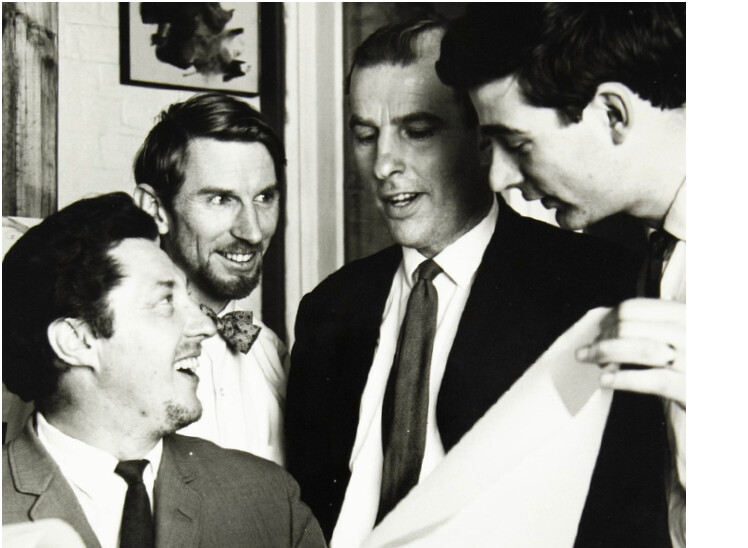
Joyce and Nankivell had previously won a competition to design the Perak Turf Club in Ipoh. Prior to that, they were working as lecturers at RMIT University in Melbourne. Photo credit: Cliff Bottomley, Australia News & Information Bureau (From left) Bernard Joyce, David Watson, Bill Nankivell, and Kerry |
1974
|
|
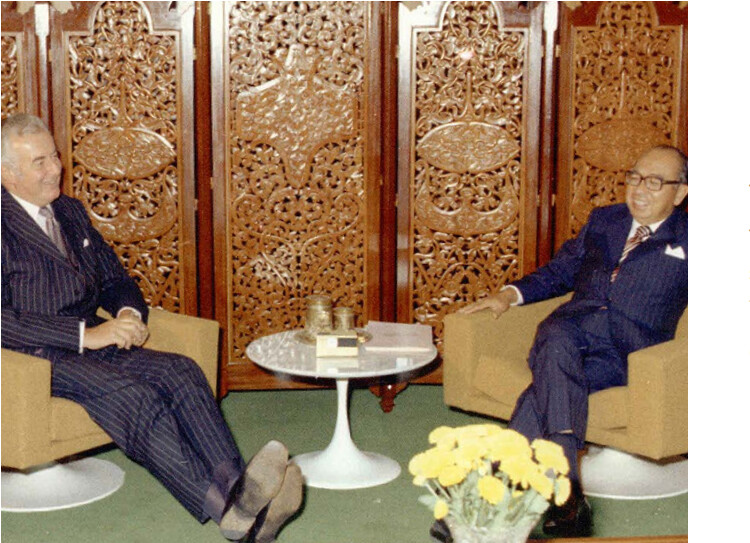
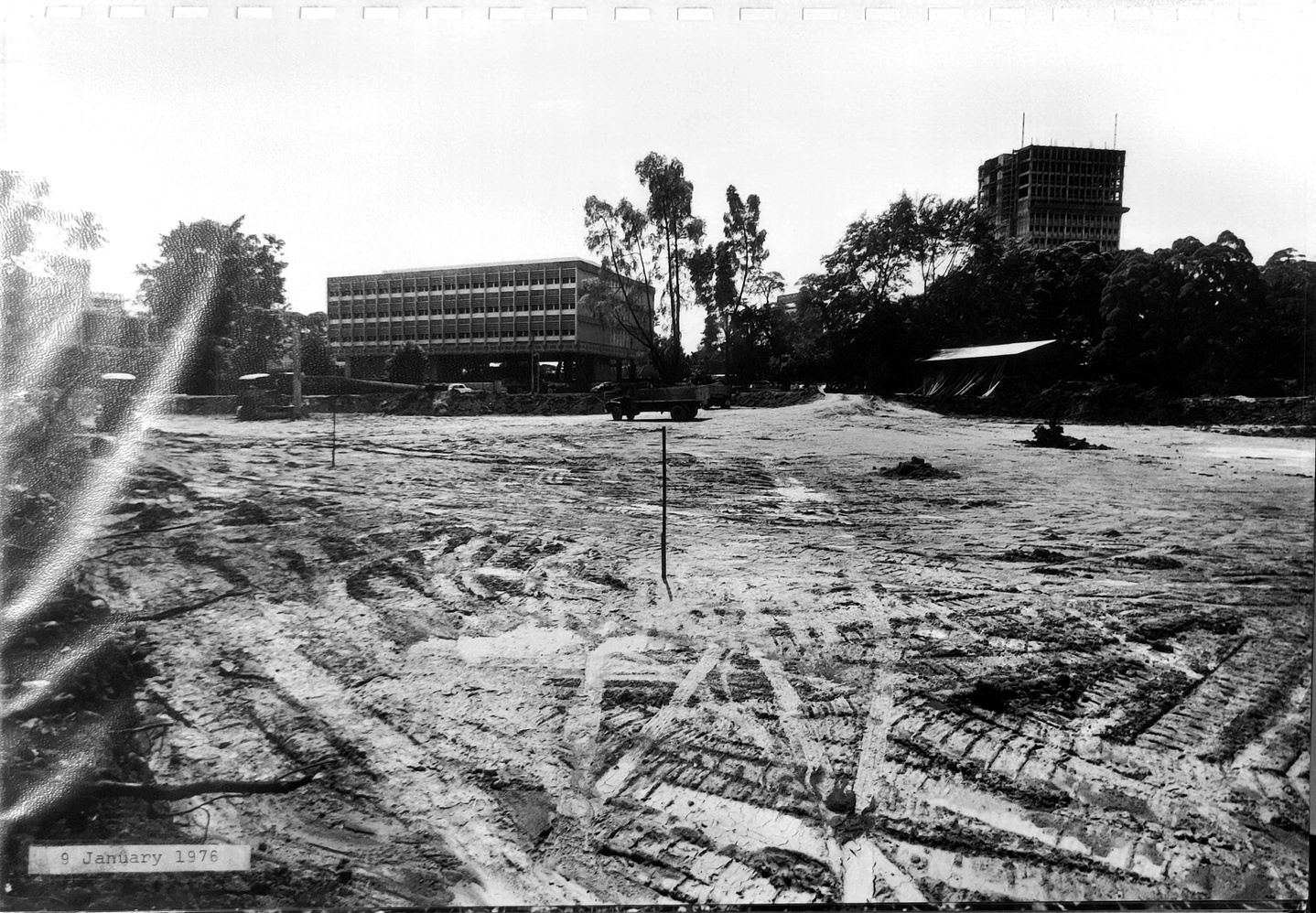
The Australian Prime Minister at the time, Gough Whitlam, turned the first sod at the construction site on Jalan Yap Kwan Seng on 29 January 1974 during an official visit to Malaysia. |
1975
|
|
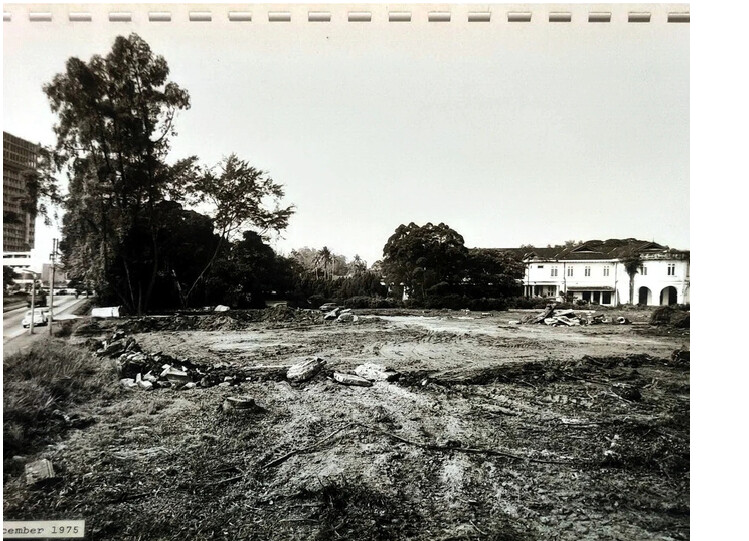
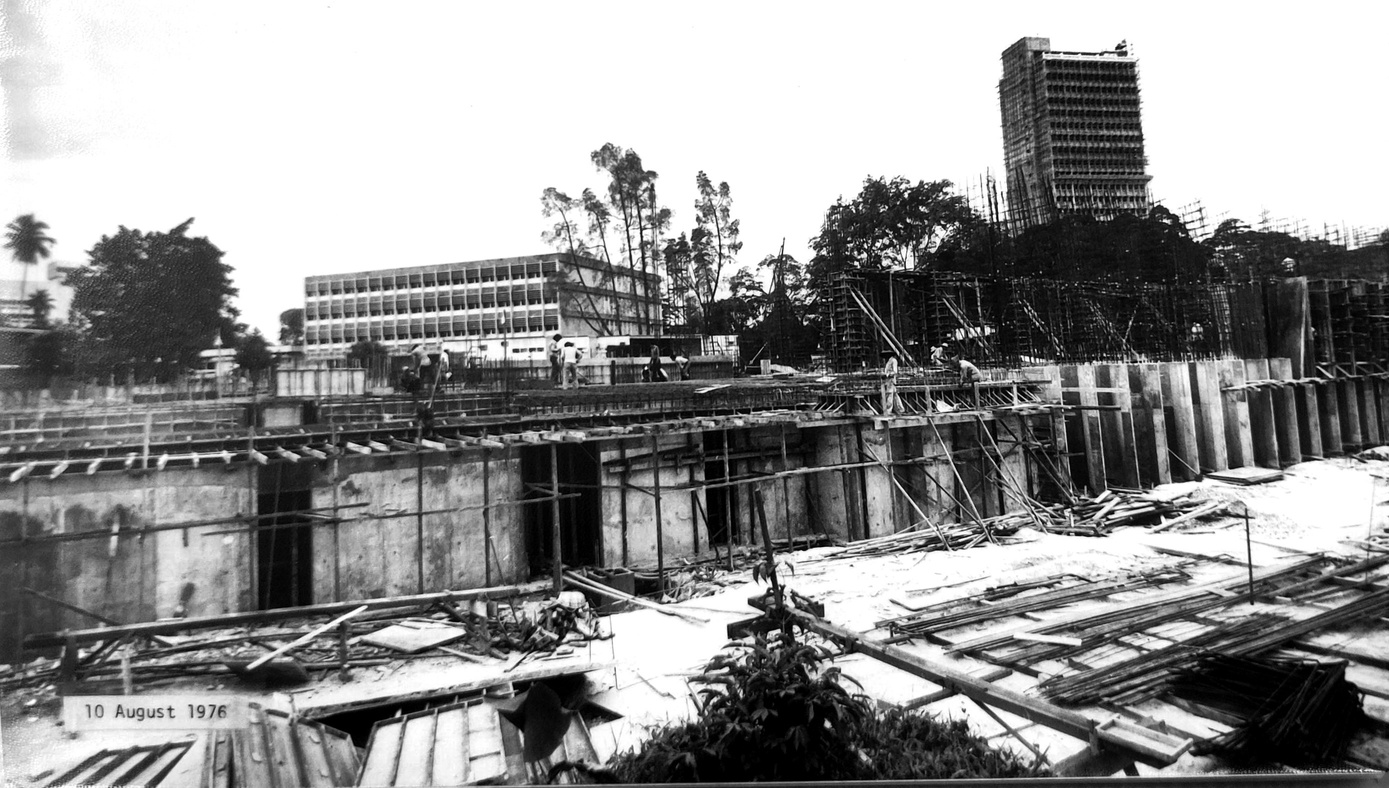
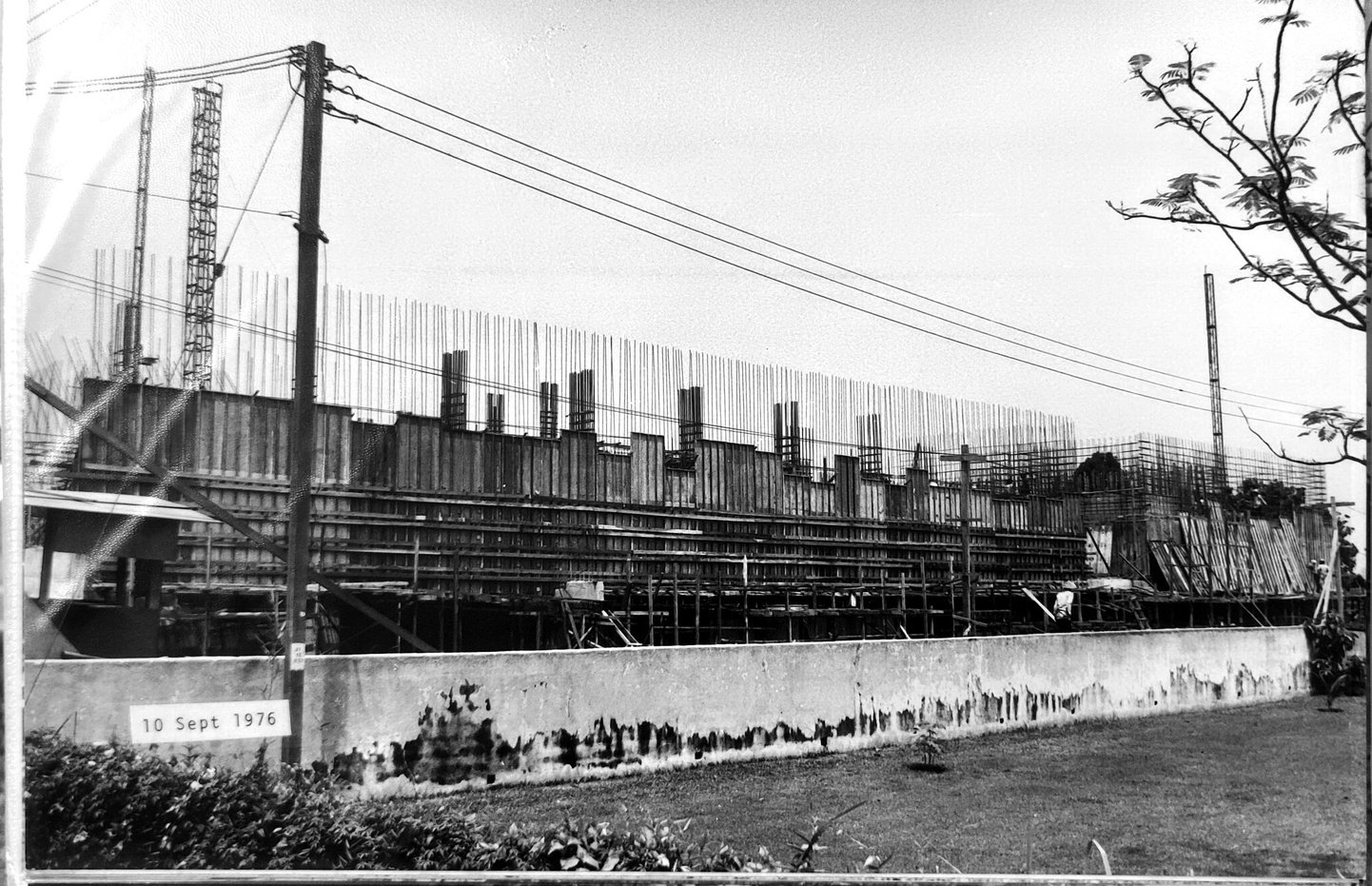
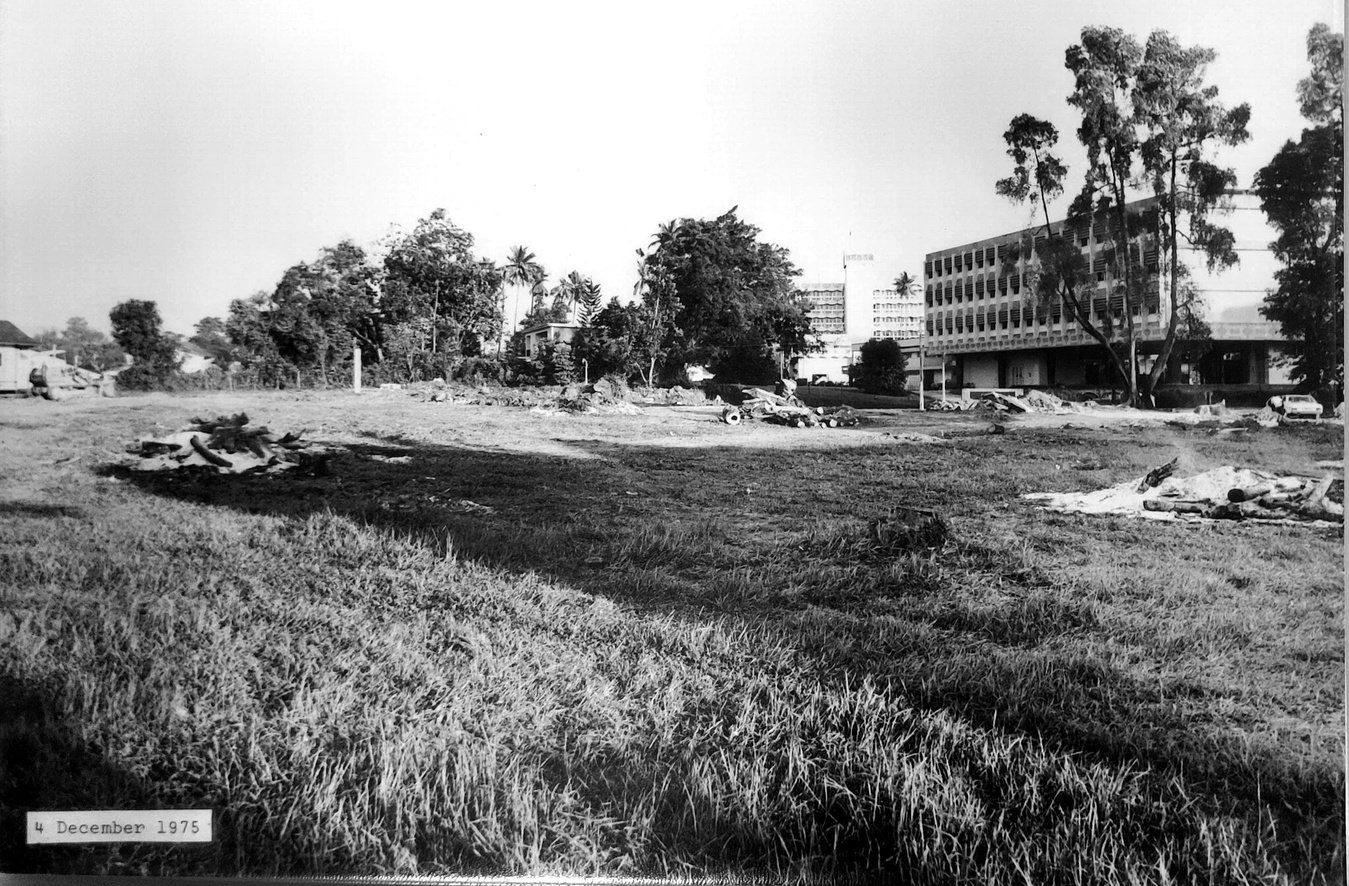
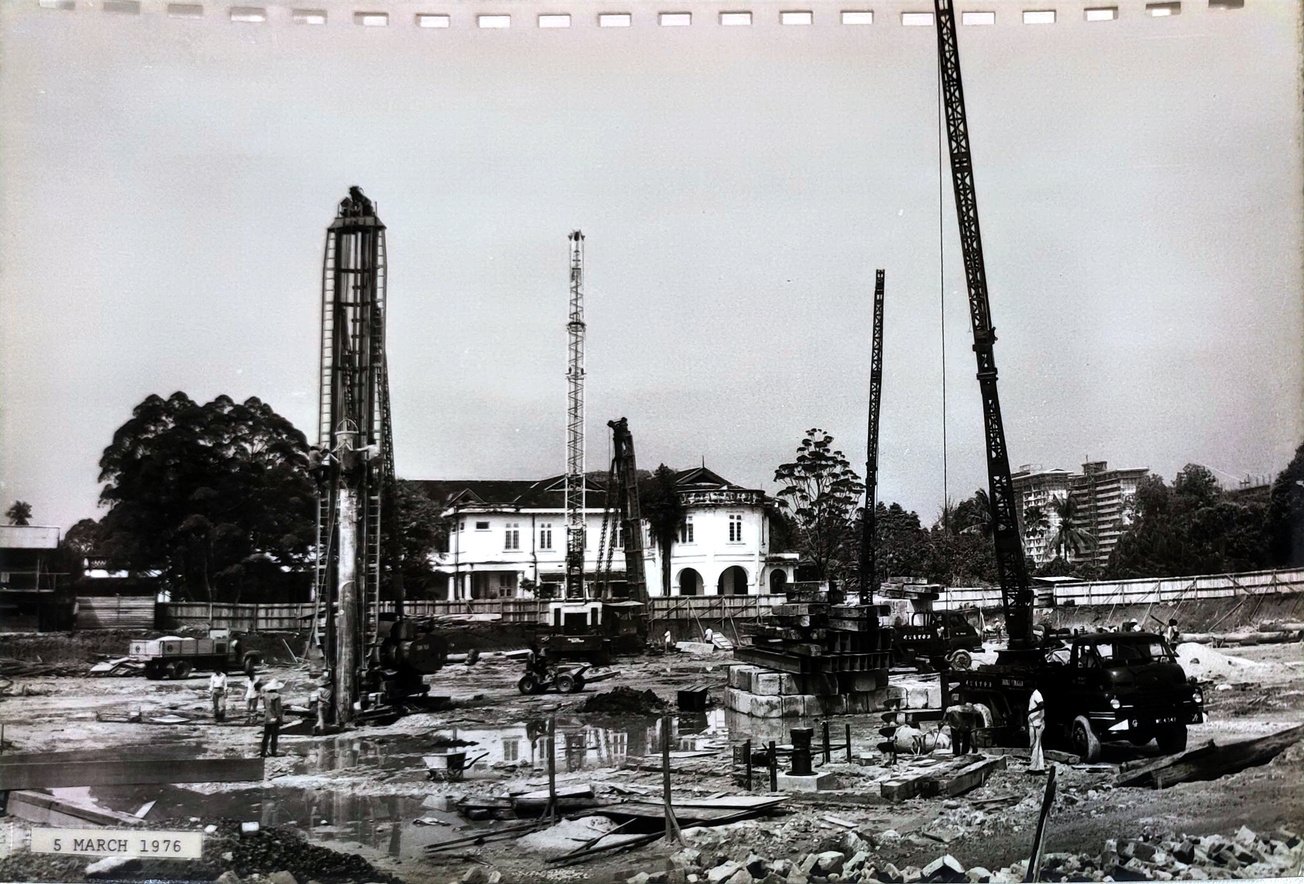
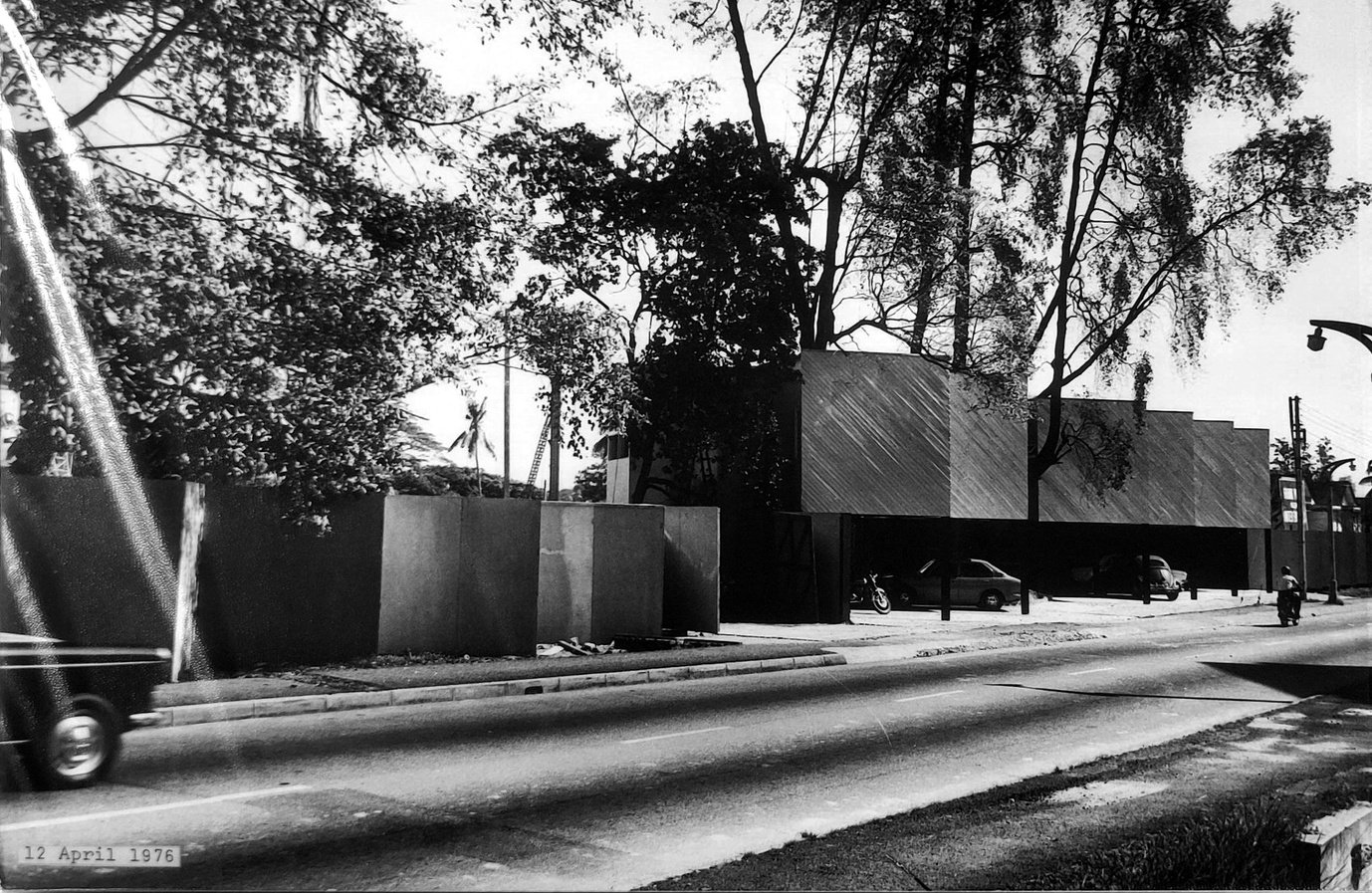
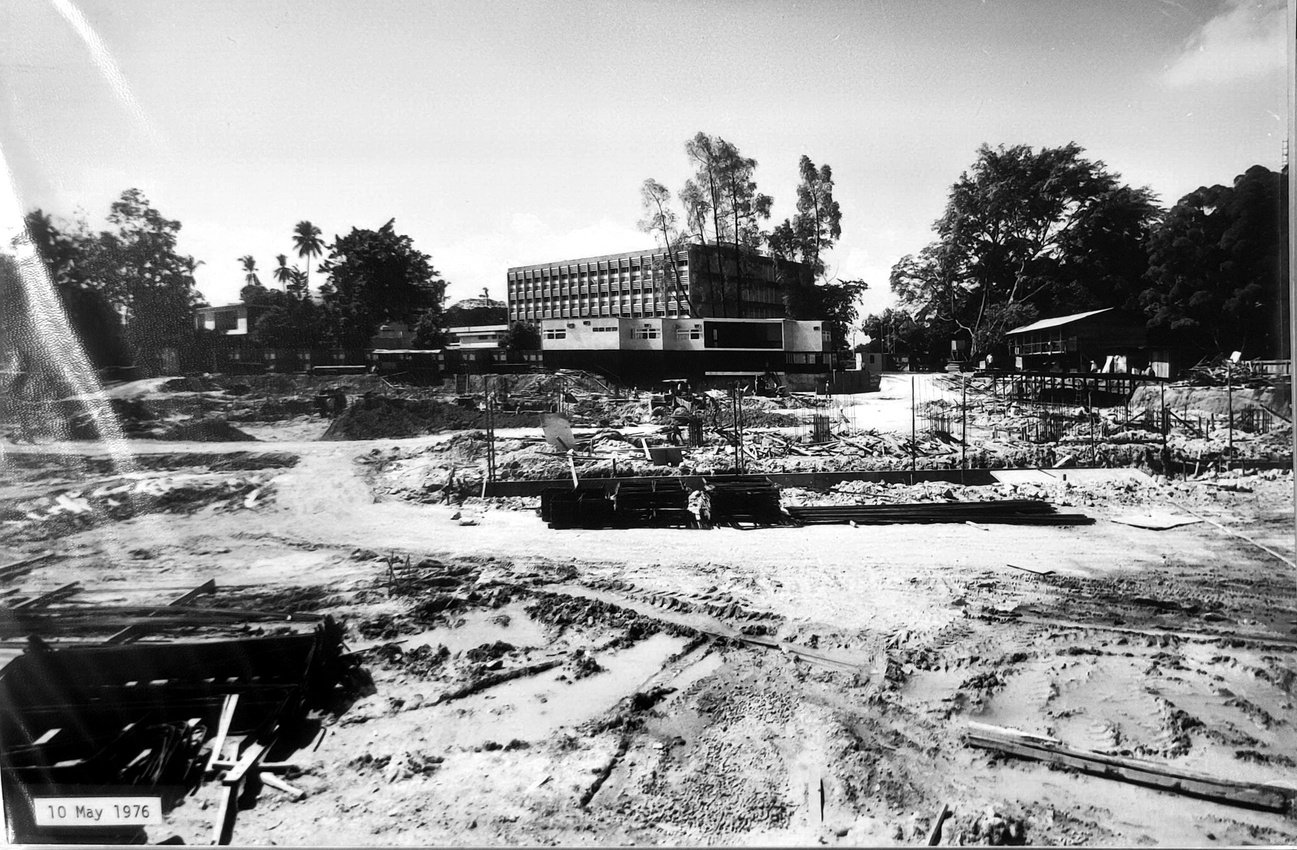
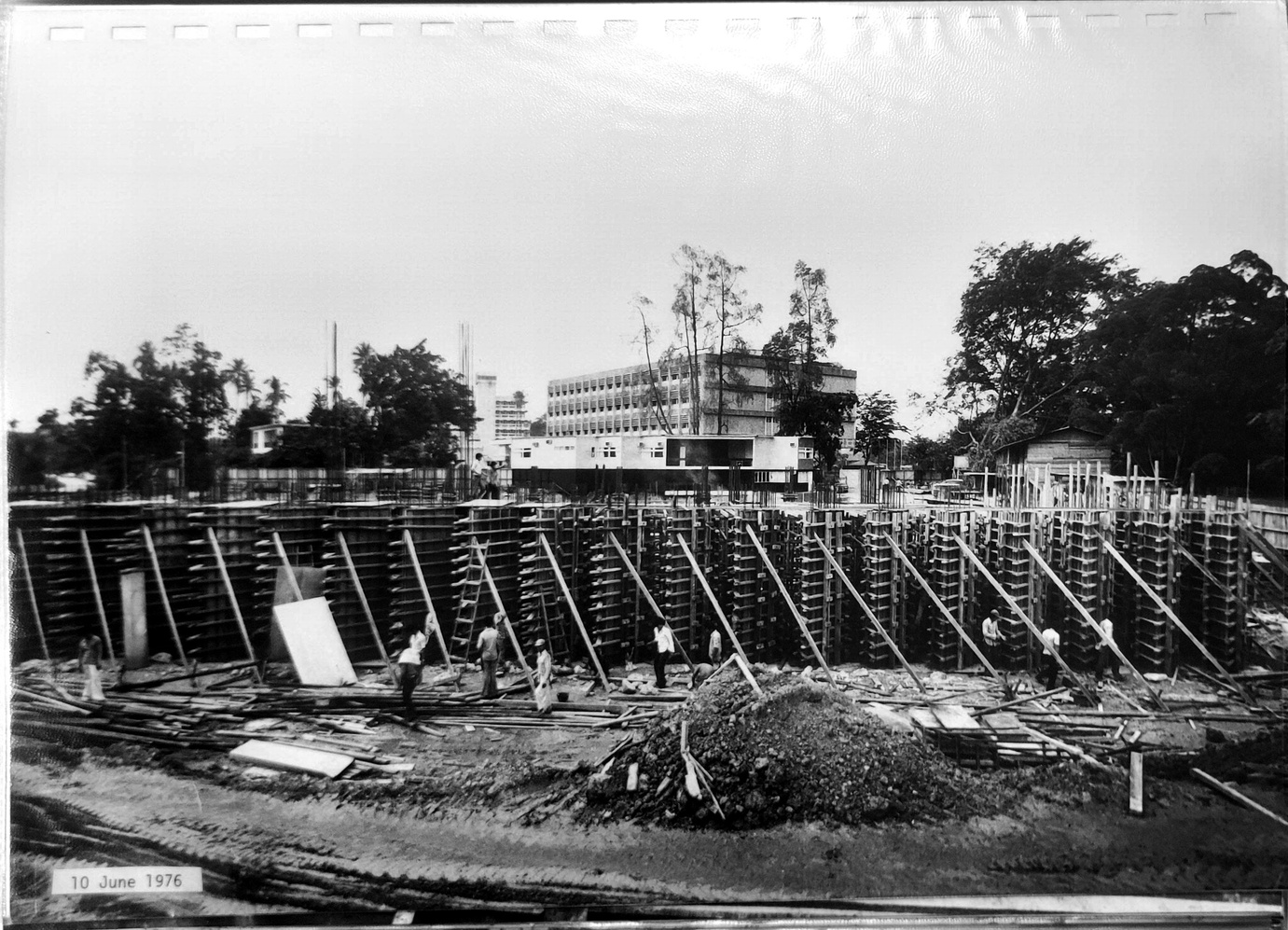
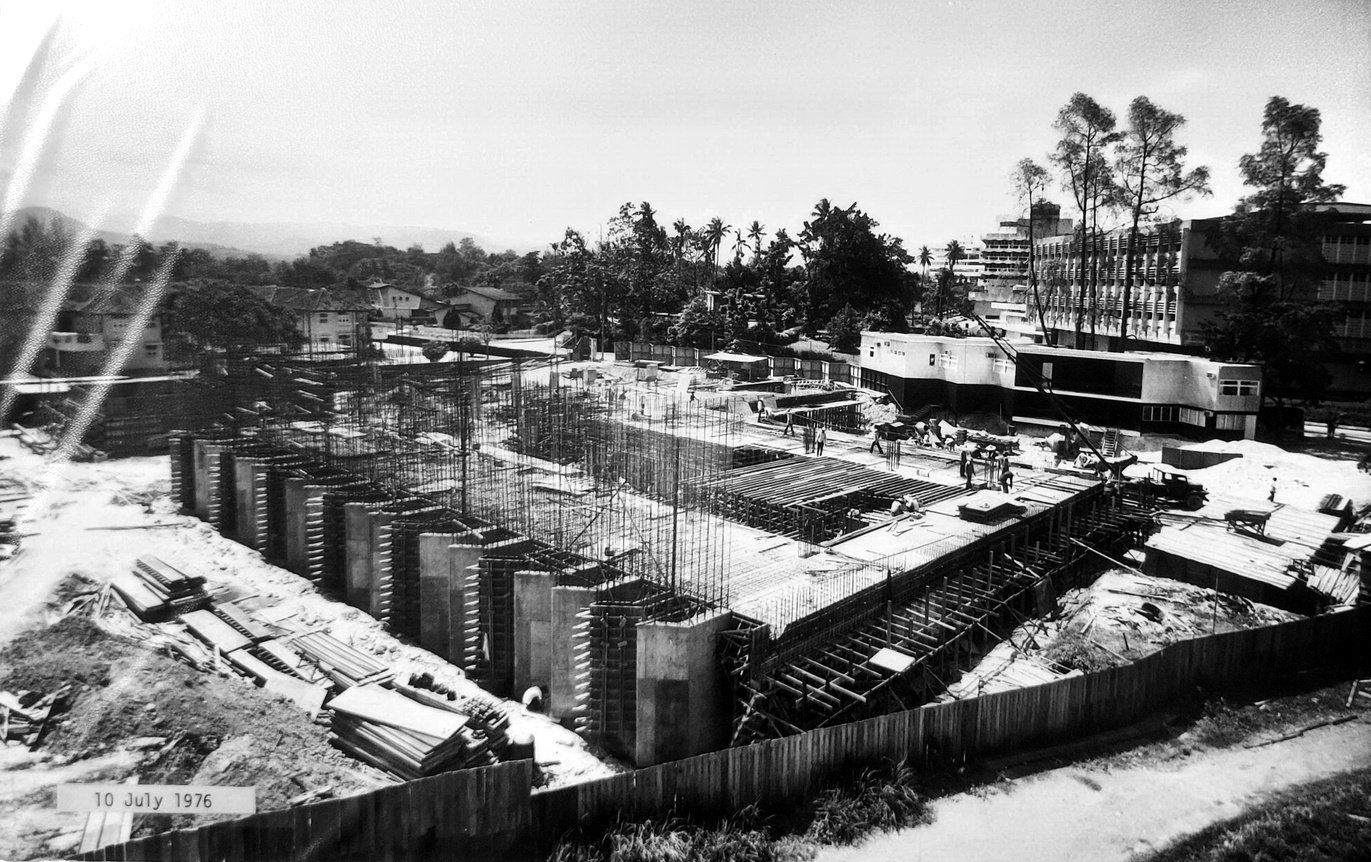
At the time of construction, this area of Kuala Lumpur, which is now referred to as Kuala Lumpur City Centre (KLCC), was largely residential. A racecourse, known as the Selangor Turf Club, sat across the road from the High Commission. This was later demolished and replaced by the iconic Petronas twin towers in the mid-90s. |
1978
|
|
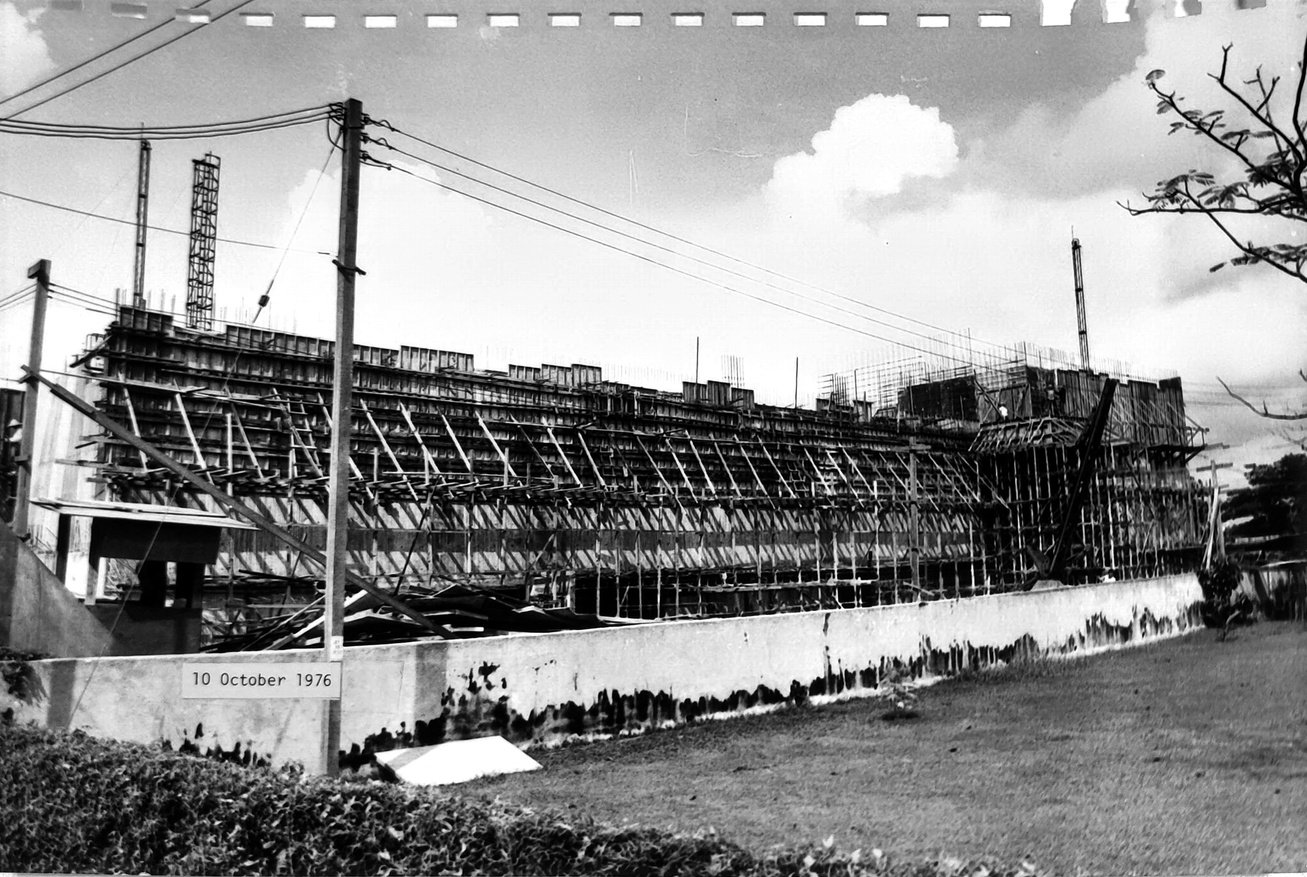
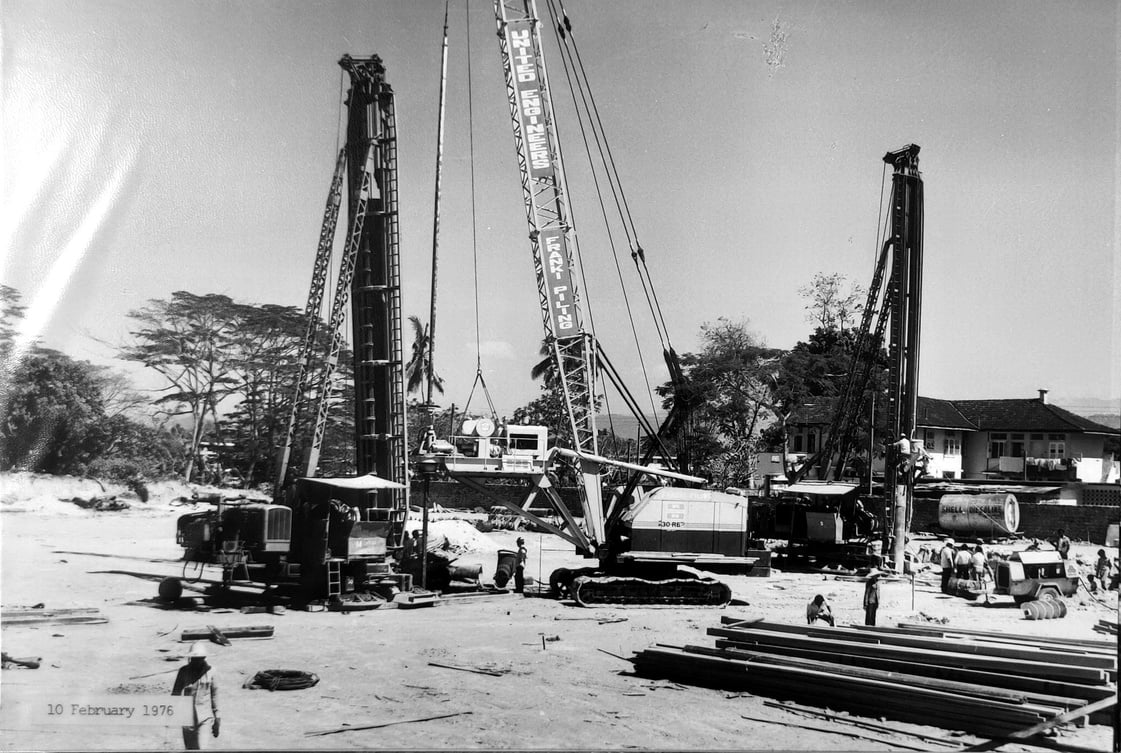
After a construction period of 30 months, the Australian High Commission building in Kuala Lumpur was opened for business on 12 June 1978.
|
2022
|
|
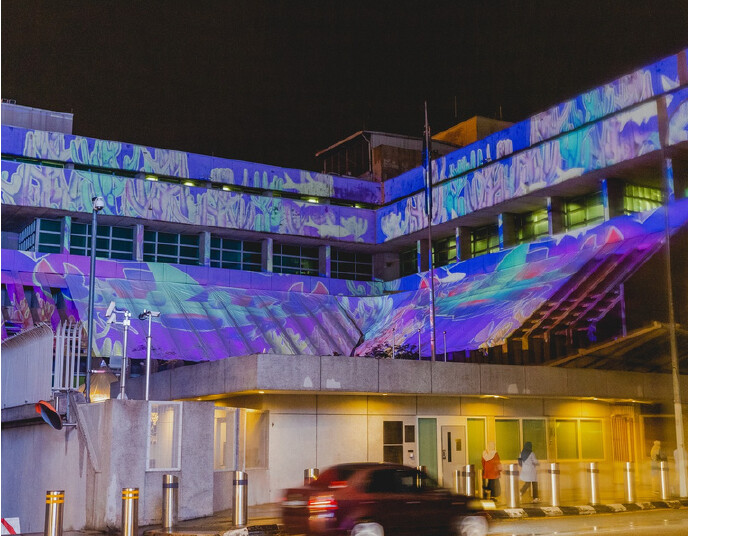
In conjunction with Australia Day in 2022, the High Commission hosted Lights Up, a Vivid-style light projection show on the exterior of the chancery.
|
2025
|
|
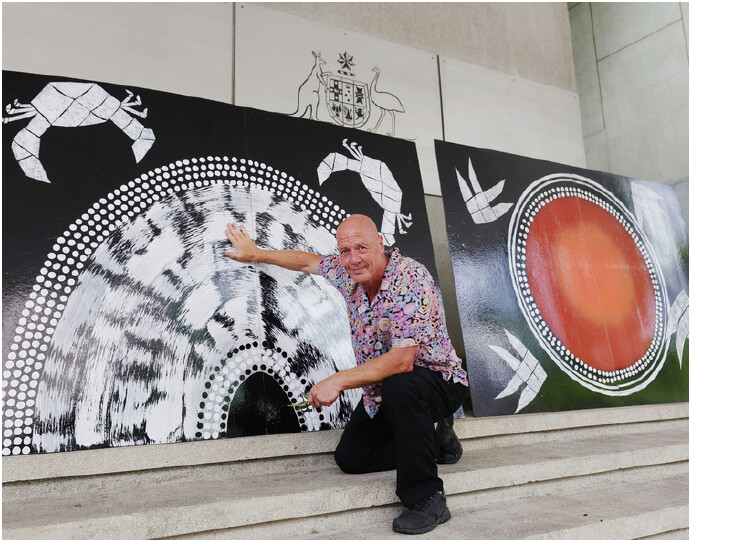
In 2025, a First Nations-themed mural was installed on the front fence of the Australian High Commission to celebrate the 70 anniversary of Australia’s diplomatic presence in Malaysia. |
|
|
The mural was desgned by Australian Aboriginal artist Professor Wayne Quilliam and Malaysian Orang Asli artist Mr Shaq Koyok, and painted using ochre - naturally occurring pigments from Australia’s outback. The panels are Malaysian-made ECOPEAL boards.
|
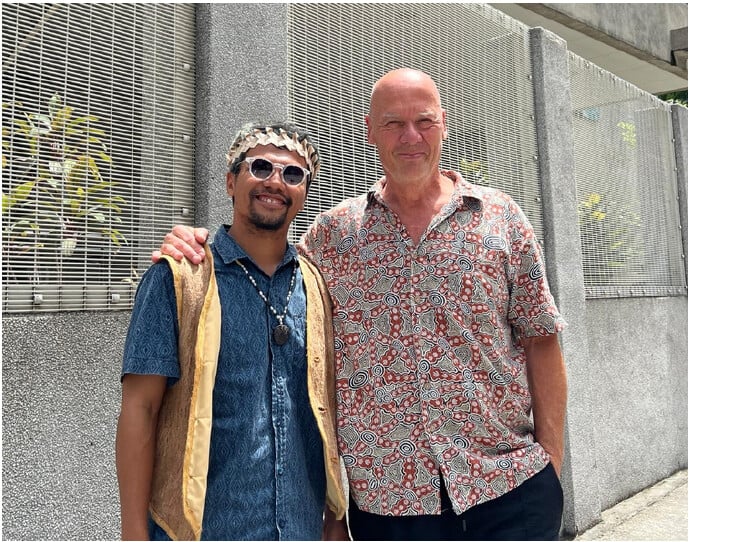
Photo Gallery
 |
 |
 |
 |
 |
 |
 |
 |
 |
 |
 |
 |
 |
 |